

The Surprising Power of Barley Foods for Better Nutrition
Barley Food showcases the incredible diversity of foods made from barley — a grain valued for thousands of years for its resilience, flavor, and exceptional nutritional potential. From traditional couscous and berkoukch to talbina, barley breads, porridges, soups, and modern functional snacks, barley-based foods offer a unique combination of taste, texture, and health benefits.
This page explores how barley elevates food quality, improves digestion, lowers the glycemic impact of everyday meals, and supports both sustainable diets and climate-smart agriculture. Whether you are interested in culinary heritage, nutrition science, or innovative food products, Barley Food connects every dimension of this remarkable grain.
Explore the latest on Barley Food
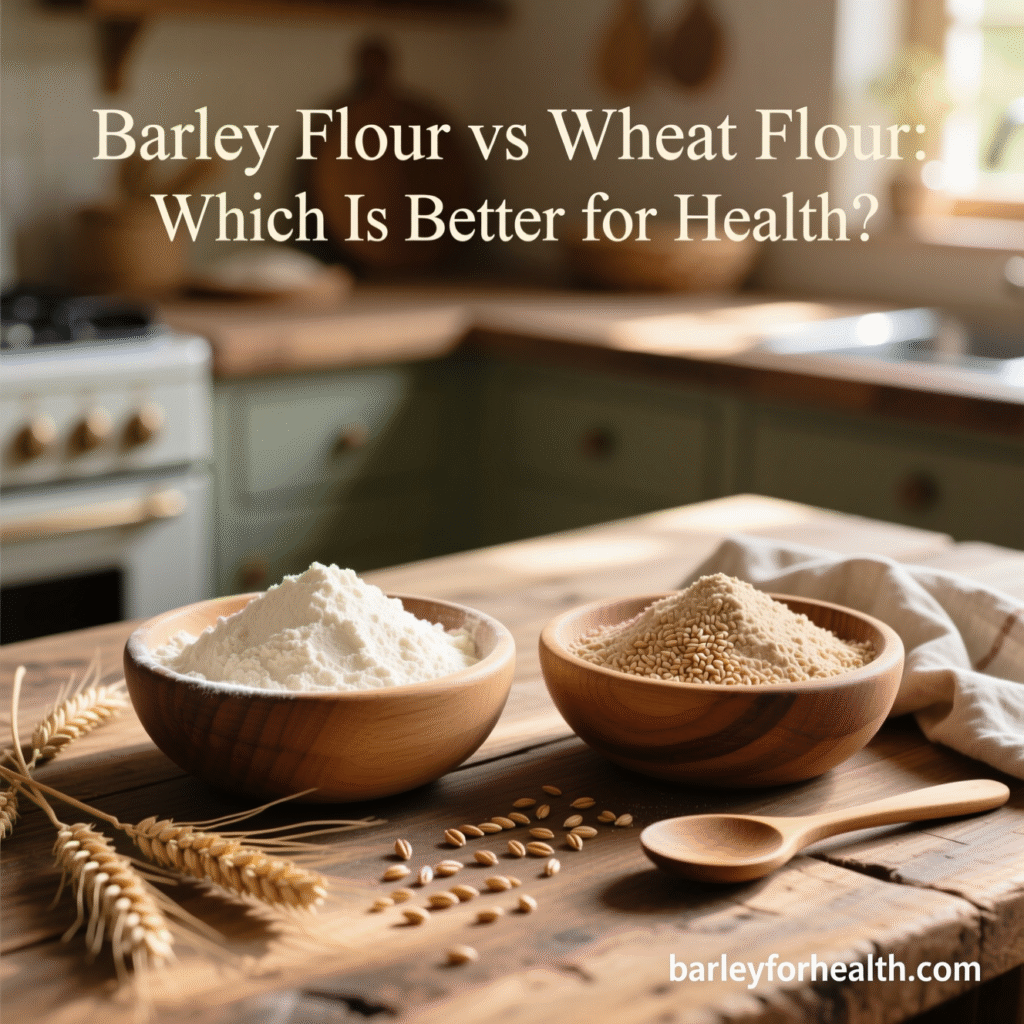


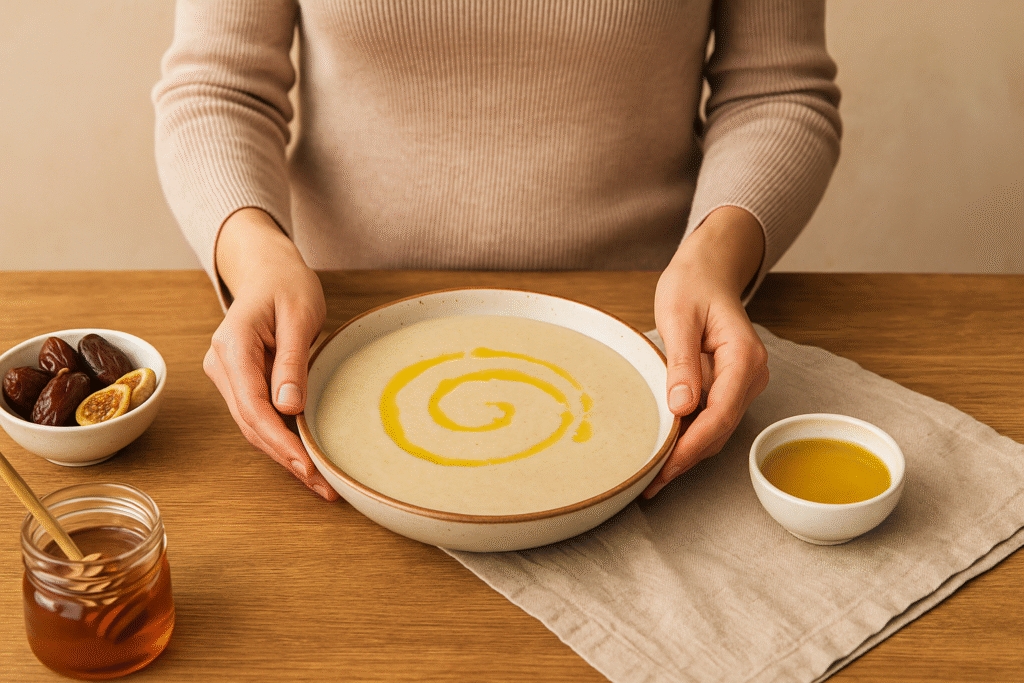

Table of Contents
1. Barley in Traditional Foods
For thousands of years, barley has shaped culinary heritage across continents, adapting to climates, cultures, and evolving food traditions. From North Africa to Asia and Northern Europe, barley has been transformed into deeply rooted dishes that nourish, comfort, and sustain communities. Traditional preparations include:
- barley couscous — a fluffy, earthy staple widely consumed in North Africa, prized for its satiating power
- berkoukch — hand-rolled barley granules cooked in broth, a rustic and nutritious dish passed down through generations
- barley bread and flatbreads — dense, hearty loaves valued for their long-lasting energy and rich mineral profile
- talbina porridge — a soothing barley-based preparation historically used for healing, digestion, and recovery
- fermented barley beverages — traditional drinks that combine flavor, preservation, and gut-friendly fermentation
- barley soups and porridges — comforting dishes found from the Mediterranean to East Asia, providing warmth and sustained energy
These foods are not only nutrient-dense and naturally rich in fiber, minerals, and slow-release carbohydrates—they also embody a resilient, climate-smart, and culturally rooted food system perfectly adapted to dry, challenging environments. Barley-based dishes have endured for millennia because they meet essential human needs: nourishment, affordability, adaptability, and long-lasting satiety..
2. Nutritional Benefits of Barley-Based Products
Each product derived from barley brings unique health benefits:
- Blood sugar regulation thanks to high β-glucan content
- Satiety and weight management
- Improved gut microbiome
- Reduction of LDL cholesterol (FDA-approved health claim)
- High fiber density, minerals, and antioxidants
- Low glycemic index compared with many other cereal flours
This page explains how each product exerts these benefits, offering both scientific context and consumer-friendly guidance.
For a deeper look at how barley supports metabolic, cardiovascular, and digestive health, explore our dedicated page on Barley Health Benefits.
3. Emerging Trends & Modern Barley Innovations
Barley is experiencing a resurgence in modern food technology, driven by:
- clean-label food movement
- interest in ancient and resilient grains
- demand for functional, plant-based nutrition
- development of high-β-glucan and hull-less barley varieties
Innovative barley-based products include:
- barley coffee (caffeine-free)
- barley milk
- barley energy bars
- barley pasta
- instant barley drinks
- barley granola and flakes
- functional barley flours
- extruded barley snacks
These new applications are shaping the future of food by offering healthier, more sustainable alternatives.
4. Food Science & Technology Behind Barley Products
This section explores how barley shapes food quality and functionality across a wide range of traditional and modern products. Barley’s unique composition deeply influences how foods behave during mixing, cooking, fermentation, and digestion.
- effects on texture, viscosity, and structure
Barley’s soluble fibers, especially β-glucan, increase viscosity and water-binding capacity, creating softer textures in baked products, creamier consistencies in soups and porridges, and improved mouthfeel in plant-based formulations. Its fibrous matrix adds structure, density, and satiety to foods. - reduction of glycemic index in bread, pasta, and couscous
When incorporated into wheat-based foods, barley significantly lowers starch digestibility, resulting in a reduced glycemic response. Products like barley couscous, barley pasta blends, and mixed-flour bread show slower glucose release, making them ideal for metabolic health and long-term energy. - behavior of β-glucan, resistant starch, and polyphenols during cooking
Thermal processing and hydration modify these components in beneficial ways.
• β-glucan becomes more soluble, increasing viscosity and cholesterol-lowering potential
• resistant starch levels vary with heating–cooling cycles, enhancing digestive health
• polyphenols migrate into cooking water or remain bound to the matrix, contributing antioxidant capacity - how hull-less and high-amylose varieties enhance functionality
Hull-less barley (like Chifaa) offers higher β-glucan and easier milling, improving nutritional density and texture. High-amylose varieties provide lower gelatinization, firmer structures, and enhanced resistant starch formation—ideal for functional bread, snacks, and low-GI foods.
Modern research — including your own scientific work on β-glucan-rich couscous, resistant starch blends, and hydrothermal processing effects — is advancing our understanding of how barley can elevate both nutrition and functionality in everyday foods.
5. A Cornerstone of Sustainable and Resilient Diets
Barley is among the most climate-resilient cereals in the world.
Its agronomic advantages include:
- exceptional drought tolerance
- a short and efficient growing cycle
- very low input requirements (fertilizer, pesticides, irrigation)
- the ability to thrive in semi-arid and marginal environments where other cereals fail
Because of these strengths, promoting Barley Food—foods made from barley such as couscous, berkoukch, barley breads, talbina, porridges, soups, and barley-based snacks—directly supports several sustainability goals:
- sustainable diets, richer in fiber, whole grains, and slow-release carbohydrates
- lower environmental impact, thanks to barley’s reduced water and fertilizer needs
- protection of local cereal biodiversity, especially hull-less and traditional varieties
- shorter, more resilient value chains, adapted to dryland farming
- economic opportunities for smallholder farmers, who can produce barley with lower risk and more stability
By choosing Barley Food, consumers actively support both healthy nutrition and climate-friendly agriculture—creating a direct link between daily eating choices and long-term sustainability.
Conclusion
Barley Food is your dedicated space to learn how barley nourishes the body, supports long-term health, and inspires innovative food solutions.
Whether rooted in tradition or driven by modern science, barley-based foods are uniquely positioned to help build healthier and more sustainable diets.
FAQ — Barley Food
1. What makes barley-based foods healthier than traditional wheat products?
Barley contains higher levels of soluble fiber—especially β-glucan—which lowers cholesterol, reduces post-meal blood sugar, enhances digestion, and increases satiety. This makes barley couscous, breads, soups, and porridges naturally more functional than refined wheat foods.
👉 See the Barley Health page for detailed science.
2. What are the best types of barley to use in functional foods?
Hull-less barley and high-amylose varieties offer superior nutritional and functional benefits. They are richer in β-glucan, easier to process, and ideal for making low-GI foods, high-fiber snacks, and nutrient-dense bread.
👉 Learn more on the Barley Wealth page (agronomy, varieties, resilience).
3. Which traditional barley foods are most beneficial for health?
Talbina, barley couscous, berkoukch, barley soups, and whole-grain barley breads offer the strongest health benefits due to their fiber density, slow-release carbohydrates, and antioxidant content. These foods are ideal for metabolic health and digestive wellness.
👉 Explore more in Barley Recipes for inspiration.
Explore more about Barley For Health
Explore More Barley-Focused Resources
Discover how barley connects nutrition, health, and everyday cooking — from science-based benefits to practical, delicious recipes.

