

Is Barley Good for Health? What Science Really Says
This guide breaks down what science reveals about barley’s nutrition and benefits. Rich in soluble fiber (β-glucan), antioxidants, vitamins, minerals, and slow-digesting carbohydrates, barley supports metabolic balance, digestive wellness, and heart health.
Discover how this ancient grain helps regulate blood sugar, lower cholesterol, nourish the gut, and promote long-term well-being — and why health experts increasingly recommend adding barley to modern diets.
Explore the latest on barley Health!





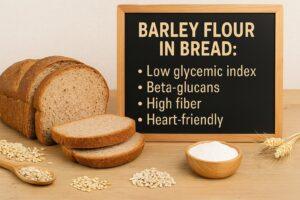



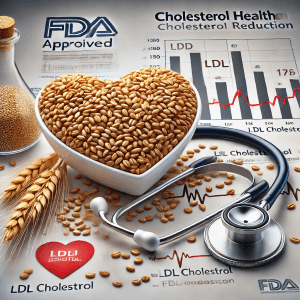
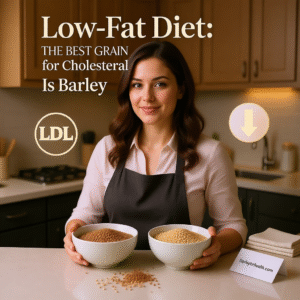
Table of Contents
1. A Functional Grain with Proven Benefits — Is Barley Good for Health?
Scientific evidence overwhelmingly shows that barley is one of the most effective grains for improving overall health. Decades of clinical trials and human nutrition studies confirm that regular barley consumption supports multiple physiological systems:
- Blood sugar control — Barley significantly reduces postprandial glucose and insulin spikes thanks to its high β-glucan content and slower carbohydrate absorption.
- Cholesterol reduction — This effect is so strong and consistent that the FDA has approved an official health claim for barley β-glucan and heart health.
- Improved satiety & weight regulation — The viscosity of soluble fibers promotes fullness, reduces overeating, and stabilizes appetite.
- Reduced inflammation and oxidative stress — Barley’s polyphenols and antioxidants help modulate inflammatory markers linked to chronic diseases.
- Enhanced gut microbiota diversity — β-glucan and resistant starch act as powerful prebiotics, promoting beneficial bacteria such as Bifidobacteria and Lactobacilli.
- Better digestive health & regularity — Its fiber profile improves transit, gut barrier function, and digestive comfort.
- Lower glycemic index meals — When used in bread, couscous, pasta, and porridge, barley can reduce the glycemic response by 20–35% compared with refined grains.
Barley Health breaks down how and why these mechanisms work, providing clear, evidence-based explanations that help readers understand the science behind barley’s benefits — and how to apply them in everyday life.
2. What Makes Barley Special?
Barley’s health effects are driven by a combination of powerful bioactive compounds — each contributing to metabolic balance, digestive wellness, and long-term disease prevention.
- β-glucan, a highly viscous soluble fiber, is the most studied component.
Its beta glucan benefits include:
• slowing glucose absorption and reducing post-meal spikes
• lowering LDL cholesterol by forming a gel that traps bile acids
• increasing satiety and helping regulate appetite
• enhancing gut barrier function and modulating inflammation
Recognized by both the FDA and EFSA, β-glucan is the main reason barley is considered one of the most functional grains for cardiometabolic health. - Antioxidants such as phenolics, lignans, and tocopherols, which protect cells from oxidative stress, reduce inflammation, and support vascular health.
- Resistant starch, which travels to the colon intact, improves insulin sensitivity, stabilizes blood sugar over time, and acts as a substrate for beneficial gut bacteria.
- Prebiotic fibers, including arabinoxylans and fructans, which feed Bifidobacteria and Lactobacilli, enhancing microbiota diversity and digestive comfort.
- Minerals such as magnesium, zinc, iron, and selenium, essential for energy metabolism, immune function, and antioxidant defense.
- Slow-digesting carbohydrates, which provide steady energy, prevent crashes, and support appetite control throughout the day.
This page breaks down how each compound works inside the body, helping you understand why barley stands out as a science-backed functional grain for modern preventive nutrition.
3. Clinical Evidence and Modern Research
Barley Health brings together a robust body of scientific evidence to answer a central question many readers have; is barley good for health?
The page integrates findings from:
- randomized controlled trials
- metabolic and glycemic regulation studies
- long-term epidemiological research
- functional food and nutrition science
- traditional medicine references, including the therapeutic use of talbina
The goal is to translate this scientific knowledge into simple, practical insights so readers can understand how barley works inside the body and make informed dietary choices based on credible evidence.
4. How to Use Barley for Better Health
This section turns science into action by showing readers exactly how to use barley in daily life to improve metabolic health, digestion, and overall well-being. Beyond understanding the mechanisms, it explains how to apply the benefits of barley through practical, evidence-based choices.
This page provides guidance on:
- the best forms of barley for health, including whole grain barley, hull-less varieties, barley flakes, sprouted barley, barley coffee substitutes, talbina, and β-glucan–rich products — each offering specific nutritional advantages
- recommended portions, with science-based suggestions for achieving cholesterol reduction, appetite control, and improved glycemic response
- how to reduce the glycemic index of meals using barley blends (e.g., replacing part of wheat flour in bread, couscous, or pasta with barley flour or flakes)
- simple everyday ways to add barley to soups, porridges, smoothies, salads, and snacks without altering flavor or culinary habits
- how to choose high-β-glucan varieties, particularly hull-less and high-amylose types, which provide stronger effects on cholesterol, blood sugar regulation, and digestive health
Whether you want to improve cardiovascular health, regulate blood sugar, enhance digestion, or simply make your meals more nourishing, this section offers practical steps backed by research.
For product-specific insights, explore our dedicated page on Barley Food, and for practical ways to incorporate barley into everyday meals, visit our Barley Recipes section.
5. The Nutrition Value of Barley: A Natural Ally for Preventive Nutrition
Barley’s exceptional nutrition value sets it apart from other grains and makes it a powerful ally for preventive nutrition. More than a traditional cereal, barley is a science-backed functional ingredient that fits perfectly into modern lifestyles focused on longevity, metabolic balance, disease prevention, and digestive wellness.
Its nutrient profile — combining soluble fiber (β-glucan), resistant starch, antioxidants, minerals, vitamins, and slow-release carbohydrates — is among the richest and most functional in the cereal world. This composition is the foundation of the nutrition value of barley, which clinical studies have repeatedly linked to improved cardiometabolic health.
From stabilizing blood sugar and lowering LDL cholesterol, to enhancing gut microbiota diversity, improving insulin response, and reducing inflammation, barley provides targeted physiological benefits that few grains can match. This section explains how these nutrients work inside the body and why barley is increasingly recommended for long-term health and disease prevention.
Conclusion
Barley Health est votre guide pour comprendre comment l’orge soutient l’organisme de l’intérieur. Pour tous ceux qui se demandent « l’orge est-elle bonne pour la santé ? », les preuves scientifiques sont claires : l’orge est l’une des céréales les plus efficaces pour améliorer la fonction métabolique, l’équilibre digestif et le bien-être à long terme.
Que votre objectif soit un meilleur contrôle de la glycémie, un intestin plus sain ou une alimentation préventive globale, l’orge se distingue comme un choix puissant, accessible et scientifiquement prouvé pour la santé au quotidien.
Explore more about Barley For Health
Explore More Barley-Focused Resources
Discover how barley connects nutrition, health, and everyday cooking — from science-based benefits to practical, delicious recipes.

